The healthcare system in the United States is changing quickly. Nurse practitioners (NPs) are at the forefront of this shift. If you want to start a career as an NP, it is necessary to understand the pathway, requirements, and opportunities. This guide will break down all the information you need to become a licensed NP in the U.S.
What is a Nurse Practitioner and Their Role in Healthcare?
A nurse practitioner is an advanced practice registered nurse (APRN) who gives primary, acute, and specialty healthcare services. NPs diagnose and treat diseases, prescribe medications, and manage patient care independently or along with physicians. They play an important role in increasing access to healthcare, specifically in areas by bridging the gap between patients and physicians.
Career Outlook: Why Choose to Become an NP?
The need for NPs is increasing rapidly, as per the U.S. Bureau of Labor Statistics, employment of NPs is expected to increase by 45% from 2021 to 2031. An aging population causes this surge, leading to increased chronic disease and a focus on preventive care, which makes for a promising and stable career path.
Educational Requirements to Become an NP
Step 1: Becoming a Registered Nurse (RN)
The first step to becoming an NP is to obtain a licensed RN. You can get this through the following pathways:
Diploma in Nursing: It is offered by hospitals usually for 2 to 3 years.
Associate Degree in Nursing (ADN): A two-year degree offered at community colleges.
Bachelor of Science in Nursing (BSN): A four-year degree that gives a stronger foundation for advanced practice.
After completing your nursing program, passing the NCLEX-RN exam is necessary to obtain the RN license. This licensure allows you to practice as a nurse and gain the clinical experience necessary for NP programs.
Step 2: Advanced Nursing Degrees
Advanced education is needed to become an NP.
Master of Science in Nursing (MSN): It is the standard pathway for NPs.
Doctor of Nursing Practice (DNP): It is increasingly becoming the preferred or required entry-level degree. By 2025, many institutions will shift to DNP as the minimum requirement for new NPs.
Both programs can give advanced clinical training, leadership skills, and specialization opportunities.
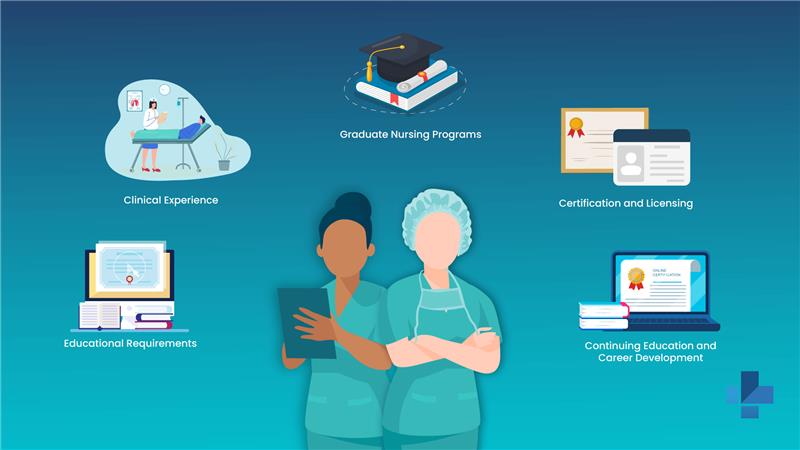
Clinical Experience: Building Your Foundation
Candidates should get 1 to 2 years of clinical experience as an RN before enrolling in NP programs. Many experiences in specialties like family care, pediatrics, or psychiatric nursing strengthen their applications and prepare them for the complexity of NP practice.
Graduate Nursing Programs
Overview
NP graduate programs are designed to develop advanced clinical expertise. You can choose from many specialties, like:
Family Nurse Practitioner (FNP)
Pediatric Nurse Practitioner (PNP)
Psychiatric-Mental Health Nurse Practitioner (PMHNP)
Adult-Gerontology Nurse Practitioner (AGNP)
Entry Pathways and Curriculum
RN-to-MSN: Combining bridge courses with graduate-level study is recommended for practicing RN without a BSN.
BSN-to-MSN: Direct pathway for BSN graduates.
The typical program period is from 2 to 4 years, based on full-time or part-time enrollment. It covers advanced pathophysiology, pharmacology, health assessment, and clinical practicums.
Certification and Licensing
After graduation, obtaining national certification and state licensure is the next step.
Certification Exams: Choose between ANCC (American Nurses Credentialing Center) and AANP (American Association of Nurse Practitioners).
State Licensing: Requirements vary for different states, such as the scope of practice, prescriptive authority, and continuing education mandates.
Credentialing: Employers may require additional verifications, background checks, and documentation of clinical experience.
Continuing Education and Career Development
To maintain NP certification, one needs continuous continuing education (CE) and to stay updated with the current clinical guidelines. Opportunities for advanced certification or specialty practice areas allow NPs to increase their experience, expertise, and roles. Professional organizations and platforms like Medtigo provide valuable resources, networking opportunities, and support for career advancement.
Conclusion
Becoming an NP in the US includes careful planning, education, and dedicated clinical experience. By following these steps, such as earning an RN license, completing an MSN or DNP, certification, and maintaining CE, you can enjoy a joyful career in advanced nurse practice.
Ready to Get Your Nurse Practitioner License in the USA?
Navigating the licensing process in 50 states is complex and time-consuming. Medtigo will simplify this for you. With 40 years of experience, our expert team will guide healthcare providers through licensing, renewals, and transfers, ensuring efficient workflows and real-time tracking.
We will handle all paperwork, primary source verifications, and background screenings to ensure timely and accurate submissions so that you can focus on your practice.
Get started with a free consultation today and discover if you qualify for discounts: https://landing.medtigo.com/licensing/NPLicensing/freeconsultation/